“You’re chasing it again, aren’t you?”
That’s what my mate said over a flat white at a Maroochydore cafe, watching me tap a screen between sips. He wasn’t wrong. I’d been staring at a cluster of symbols spinning under a falling-weight mechanic, and the pull was real. The phrase gravity feature pokies online Australia gets tossed around by curious punters all the time, but most of them skip the bit that matters: how to walk into a session with a plan and walk out without draining the entertainment budget.
We’re all feeling the pinch. Groceries have climbed, energy bills hang heavier than they used to, and the payday rhythm still leaves a gap between fortnightly deposits and the next round of bills. That’s the backdrop for every late-night spin, and it changes how a cautious researcher should think about these games. You don’t need a gambling degree to spot a bad session; you just need a number in your head before the first reel turns.
The mechanic itself is straightforward enough. Symbols tumble or drop into place, sometimes stacking, sometimes clearing, and the screen rewards patience more than panic. Still, the shine wears off fast if you’re burning through a fortnightly entertainment allowance on a whim. Treat the feature like a paid show, not a second income.
How the dropping symbols actually work
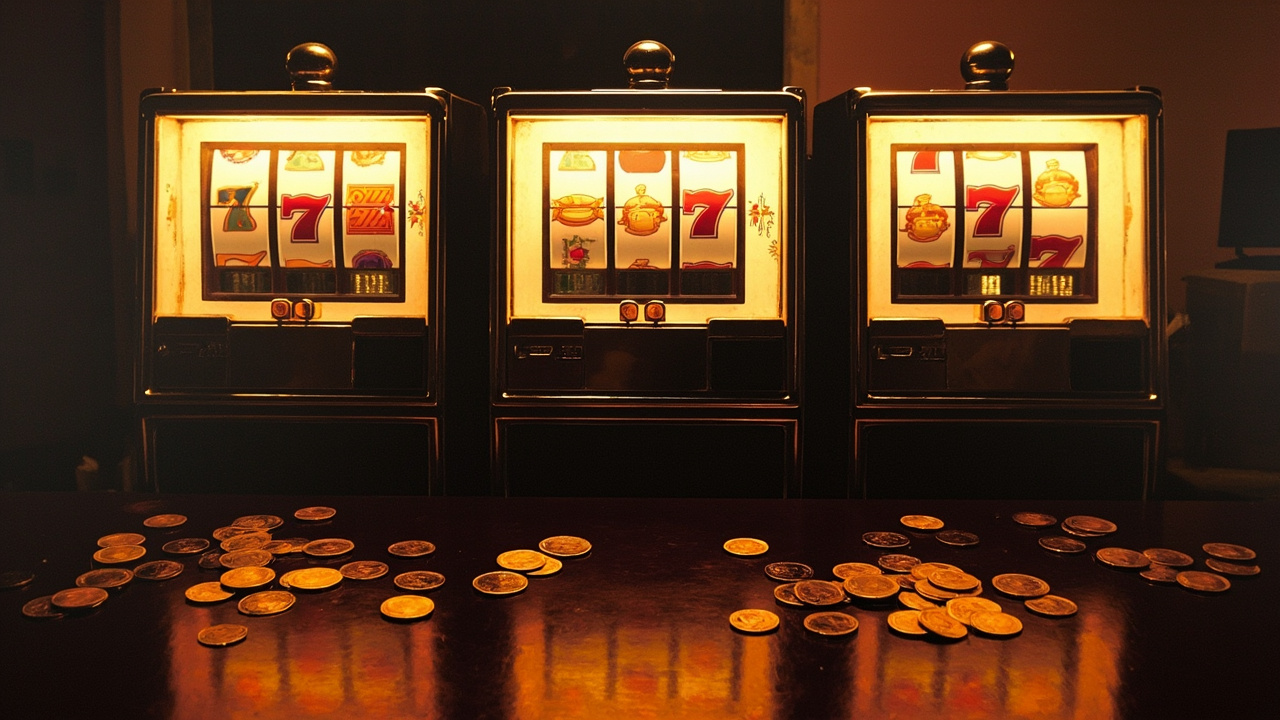
A gravity-style reel doesn’t reshuffle the whole board every spin. Symbols fall into vacant spots, and that simple motion can stack wins or trigger bonus rounds without the old-school stop-and-go pause. The appeal is obvious once you’ve watched a column of wilds settle into place, but the maths underneath stays the same: the house keeps a margin, and the feature is a presentation layer on top of that margin.
Mia White, Head of Live Casino, Harbour Bet Insights, puts it plainly. “The drop mechanic feels active because you can see the board change, but it doesn’t rewrite the odds mid-session.” That’s the kind of caveat a careful player needs, because the visual busyness can trick you into thinking a run is tilting in your favour. It isn’t. It’s just a different way of showing the same random sequence.
If you want a cleaner read on what you’re actually playing, a demo run tells you more than the lobby artwork. Try the big bass splash demo and watch how the symbols behave when a cluster clears, because the feature’s rhythm becomes obvious once you stop betting real money for a minute.
Pick a session budget before the first spin
Decide your session number in cold hard cash, not in credits or “just one more” language. Say you deposit fifty dollars for the night, and you split that figure into chunks you’re willing to spend before you walk away. A simple split works better than a vague intention, because vagueness is what turns a tidy budget into a regret by 1 a.m.
Take Sam O’Donnell, a tradesman from Gympie who keeps a notebook beside his laptop. He sets a fifty-dollar session cap, breaks it into five ten-dollar blocks, and stops the moment the third block is gone regardless of how the board looks. He’s not trying to outsmart the machine; he’s trying to keep the fortnightly entertainment money intact for the footy and the weekend BBQ. That’s a bankroll take in practice, not theory.
Georgia Gray, Marketing Director, Waratah Digital Group, sees the same discipline coming up in player conversations. “People who write down a loss limit before they log in tend to finish the session with the story they wanted, not the one the screen tried to write for them.” Write the limit somewhere you’ll see it, and treat the limit like a boundary you’d enforce at a family dinner.
Know when to stop without the “one more” trap
The hardest moment is the one right after a feature pays out and your impulse says the next spin is due. It isn’t. The board doesn’t keep a ledger of what you’re owed, and the next spin starts fresh regardless of the last hit. That’s the bit most players learn the expensive way, often after a string of near-misses that feel like a promise.
A practical stop rule is a time box plus a loss cap, used together. Give yourself forty minutes, and if the cap is hit before the timer runs out, you’re done. If the timer runs out first, you walk away even if you’re ahead, because a winning session that runs long enough usually gives the margin time to catch up. The rule isn’t glamorous, but it keeps a Tuesday night from turning into a Wednesday morning worry.
You can sanity-check the feel of a game before you risk anything by reading how the feature behaves across different bet sizes. Communities like the hot copper boards often carry player chatter about payout rhythm and bonus frequency, and that kind of chatter is useful when you’re comparing titles instead of committing blind.
Compare titles without losing your shirt
A cautious researcher compares the same way they’d compare a used car: look under the bonnet, check the running costs, and don’t fall for the paint job. For these games, that means checking the bet range, the feature trigger, and the volatility you can actually tolerate before the session ends. A title that pays small wins often feels smoother than one that holds back for a bigger hit, and neither is inherently better for your budget.
Read the paytable before you spin, and note the minimum bet that keeps the feature within reach. If the trigger requires a top-of-the-table stake and your session cap is modest, the maths won’t suit you no matter how pretty the symbols look. That’s a trade-off worth spotting early, because a cheap-looking game can still ask for a top-end bet to activate the good stuff.
Industry chatter can help you sort the noise from the signal. The concrete playground reviews often break down how a feature plays across sessions, and that kind of reading is handy when you’re comparing a handful of titles instead of trusting the lobby banner.
Mia Scott, Compliance Director, Capital Territory Gaming Forum, keeps the focus on the line you shouldn’t cross. “Any title you play online sits outside Australia’s licensed casino regime, so treat it as paid entertainment with a clear exit, not as something the regulator has signed off on.” That’s the reminder that sits underneath every other tip: the feature might be clever, but the session is still yours to manage.
You’ll know you’ve done it right when the fifty dollars is spent, the forty minutes are up, and you’re closing the tab with the story you planned, not the one the screen tried to sell you.